


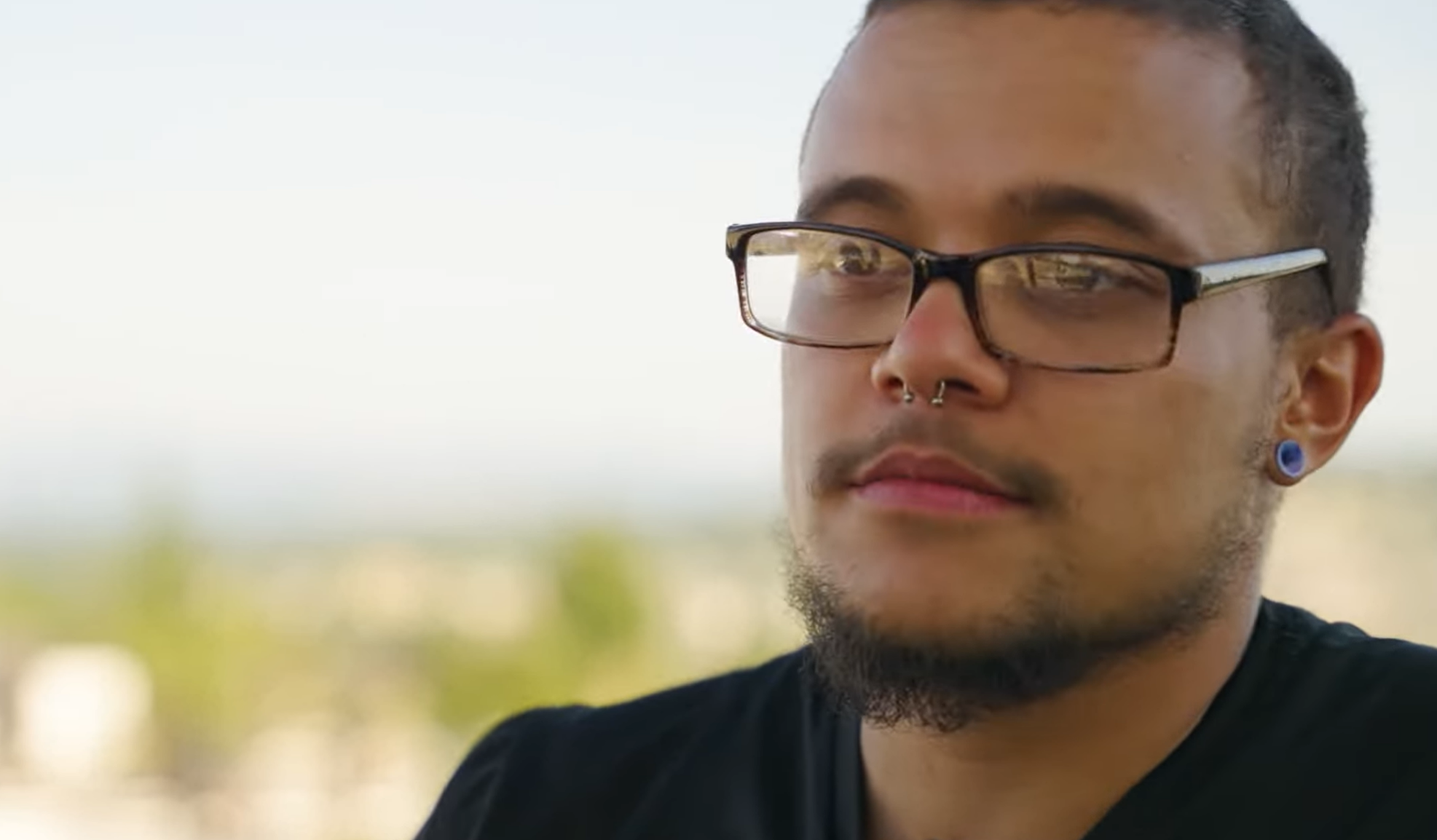
Mac is 27 and works as a caregiver for elderly people. For a long time, he felt a gap between who he was and how the world saw him. That changed when he finally got top surgery, a move that helped him align his body with his true self.
His story shows how the right support and medical care can change a person's life. It isn't just about a physical change. It is about the freedom to exist without a constant feeling of wrongness in your own skin.
Finding a Name for the Feeling
Mac didn't always have the words to describe his experience. When he was 13, the idea of being transgender wasn't even on his radar. He knew something was different, but he didn't have a label for it.
Everything shifted at 15. A friend's mom, who was married to a woman, asked him if he wanted a binder. She explained that binders are for trans men, or women who want to be men. Mac's reaction was immediate. He felt an instant click of recognition. He finally found a word that fit his life.
Once he had that label, Mac started making changes to his look. He threw away all his feminine clothes and cut his hair short. These were small acts, but they felt huge. They were the first steps toward living honestly.
Getting his first binder was a turning point. He remembers slicking his hair back with gel and looking in the mirror. He felt like the hottest guy in town. The binder did more than flatten his chest; it gave him a sense of confidence he had never known.
A Family That Stands Together
Coming out can be scary, but Mac found a strong safety net in his family. He told his mom, grandma, and grandpa all at once. Their reactions varied, but the love remained.
His grandfather, Art, was an immediate ally. He didn't hesitate. He asked Mac what he needed and how he could help. This kind of push is vital for anyone transitioning.
His grandmother was a bit more skeptical at first, but she loved him anyway. She didn't make his transition a constant topic of conversation. She just accepted him as he was and focused on enjoying their time together.
Mac's mother provided a different kind of strength. As he grew up, she became an even bigger advocate. She recognizes that being a Black trans person comes with extra struggles. She stays in his corner to make sure he feels safe and seen.
Then there is his pop. He has been there from day one. When Mac couldn't afford his testosterone, his pop paid for it. He also keeps Mac focused on his health, pushing him to hit the gym and keep his energy up for the sake of his mind.
Key insight: Every person in Mac's family showed support differently — one asked what he needed, one simply loved him without making a big deal of it, one funded his care. There isn't one "right" way to support someone transitioning.
The Role of Jaye and Emotional Support
Support doesn't just come from family. Mac's girlfriend, Jaye, has been a driving force in his life. They have been together for over a year, and she has pushed him to try for things he thought were impossible.
When the chance for pro bono surgery came up, Mac doubted himself. He wondered what made him special among thousands of applicants. Jaye didn't let him quit. She was the one who sent in his letter.
She told him that even if he didn't win, the act of trying was a victory. That emotional push is often the difference between staying stuck and moving forward.
Using Testosterone to Fight Dysphoria
For Mac, medical transition started with testosterone (T). This helped him deal with gender dysphoria, which is the distress felt when your body doesn't match your identity.
The biggest win was his voice. Mac remembers an old Instagram video where he used a face filter but his real voice was audible. It was high and feminine. Hearing it made him feel a deep sense of wrongness. As T deepened his voice, that feeling started to fade.
Other physical changes followed:
- A mustache grew in, which was the first thing his family noticed.
- His shoulders widened.
- His overall build became bulkier.
These changes were visible markers of his progress. They made him feel more masculine and less like he was pretending.
Finding the Right Doctor on TikTok
Mac didn't find his surgeon in a medical directory. He found Dr. Sajan through TikTok. He had been watching videos of other people's top surgeries to see what the results looked like.
The TikTok algorithm started showing him more surgeons. Mac was picky. He scrolled past doctors whose work he didn't like. Eventually, he saw Dr. Sajan's work and noticed the quality of the "no nipple" results.
He decided right then that if he ever got the surgery, this was the man he wanted doing it. He did his homework and picked a provider based on a specific aesthetic and surgical style.
Dr. Javad Sajan practices at Allure Esthetic in Seattle, Washington, and has built a reputation for treating FTM top surgery patients regardless of BMI, along with a widely-documented drainless surgical technique. Mac's story is featured as part of Dr. Sajan's ongoing realdrseattle documentary series, which follows real patients through their entire top surgery journeys.
Winning a Life-Changing Surgery
The call that changed everything came unexpectedly. Mac thought he had missed the deadline to apply for the pro bono surgery. He assumed he had already lost.
Jaye told him to be patient and give it a few more days. Then, the phone rang. The doctor told him he had won the free surgery. Mac burst into tears.
Dr. Sajan told him he seemed like a great guy who had done a lot for others. The clinic decided to comp the entire process, removing the financial barrier that had kept Mac from his goal for years.
"I didn't want a miracle. I just wanted to be happier." — Mac
Recovery and the Road to Freedom
The surgery involved removing chest tissue and the nipples to create a masculine chest. Mac's recovery was a mix of exhaustion and excitement.
Right after waking up, Mac felt the success of the operation. He spent the first few days dealing with:
- Medium pain levels.
- Some bruising that faded over time.
- Post-operative recovery care, including managing fluid as his chest healed.
Despite the tiredness, Mac was beyond happy. By the time recovery milestones passed, he felt a sense of freedom. He could finally go home and live in a body that felt right.
Note: Dr. Sajan's practice is widely known for a drainless surgical technique designed to make recovery more comfortable. If drains were part of Mac's specific recovery, it's worth confirming this detail directly against the video before publishing, since it differs from the surgeon's typically documented method.
Final Thoughts
Mac's experience shows that transition is not always a single "big moment." For him, it was a series of steps. It started with a binder, moved to hormones, and ended with surgery.
He now encourages others in the trans community to keep going. He knows many people don't have supportive families, and he offers his own family's love to those who need it.
His advice to his future self is simple: do not give up. If he could reach this point of peace and authenticity, others can too. Top surgery was the final piece of the puzzle, allowing Mac to face the world as his true self.
FAQs
Who is Dr. Sajan?
Dr. Javad Sajan is a Seattle-based plastic surgeon at Allure Esthetic who specializes in gender-affirming FTM top surgery. He's known for treating patients without BMI restrictions and for his drainless surgical technique.
What is FTM top surgery?
FTM (female-to-male) top surgery is a chest masculinization procedure that removes breast tissue and reconstructs the chest to appear flatter and more traditionally male. It's often the first step in a broader gender-affirming medical transition.
Does top surgery require drains afterward?
It depends on the surgeon and technique. Traditional double-incision top surgery often uses drains, but some surgeons, including Dr. Sajan, use drainless methods designed to reduce discomfort and speed recovery.
Is there a BMI requirement for top surgery?
Not with every surgeon. Dr. Sajan is specifically noted for offering top surgery without a maximum BMI threshold, evaluating patients on overall health instead.
How much does top surgery cost?
Costs vary by surgeon, location, and technique. As one reference point, Dr. Sajan's top surgery has been priced around $8,500, covering the surgeon, facility, anesthesia, and post-op garments.
Can top surgery be done for free or at reduced cost?
Yes — some surgeons and clinics offer pro bono or reduced-cost surgeries through application processes, scholarships, or grants, as was the case in Mac's story.
What does testosterone (T) do during a transition?
Testosterone therapy can deepen the voice, promote facial and body hair growth, widen shoulders, and change body composition — changes many trans men describe as directly reducing gender dysphoria.
How long does recovery from top surgery typically take?
Initial recovery (drains out, most swelling and bruising resolved) is generally a few weeks, though full healing and final results can take several months to a year, depending on the technique used.